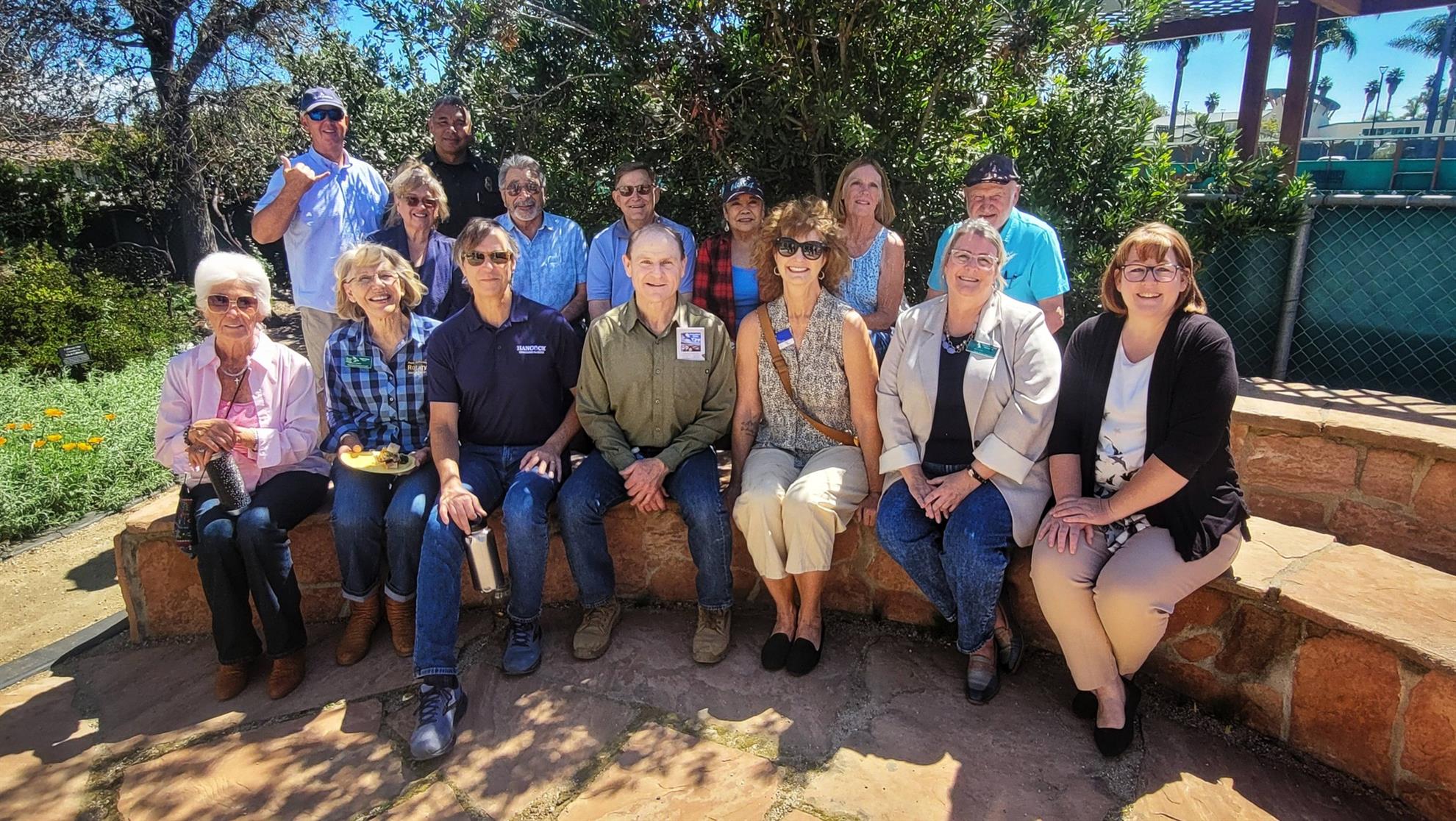
The Rotary Club of Santa Maria Noon has established a partnership with the Natural History Museum of the Santa Maria Valley through Operation Pollination.
This matters for Santa Maria because pollinators are essential to food security and biodiversity, yet populations are declining due to habitat loss, pesticides, and disease.
This collaboration positions the Museum as:
A local leader in environmental education
A hub for community science and conservation
A partner in a global Rotary movement with strong visibility and credibility
This matters for Santa Maria because pollinators are essential to food security and biodiversity, yet populations are declining due to habitat loss, pesticides, and disease.
This collaboration positions the Museum as:
A local leader in environmental education
A hub for community science and conservation
A partner in a global Rotary movement with strong visibility and credibility
This collaboration positions The Rotary Club of Santa Maria Noon to offer
District/Club volunteer days
Cohosted educational events
Rotary lunch meetings or tours at the Museum
Sponsorship of signage, plants, or educational materials
Joint media coverage and community outreach
Areas of Collaboration
Pollinator Garden on Museum Grounds Creation or expansion of a native plant garden
with cobranded interpretive signage, serving as an outdoor classroom for school groups
and families.
Educational Programs & Workshops Public talks, youth activities, native plant
gardening workshops, and seasonal events such as Pollinator Week.
Community Engagement Joint volunteer days, seed distribution events, and
collaborative outreach with Rotary clubs across the region.
Exhibit Enhancements Pollinator themed displays or interactive components tied to local
species and ecosystems.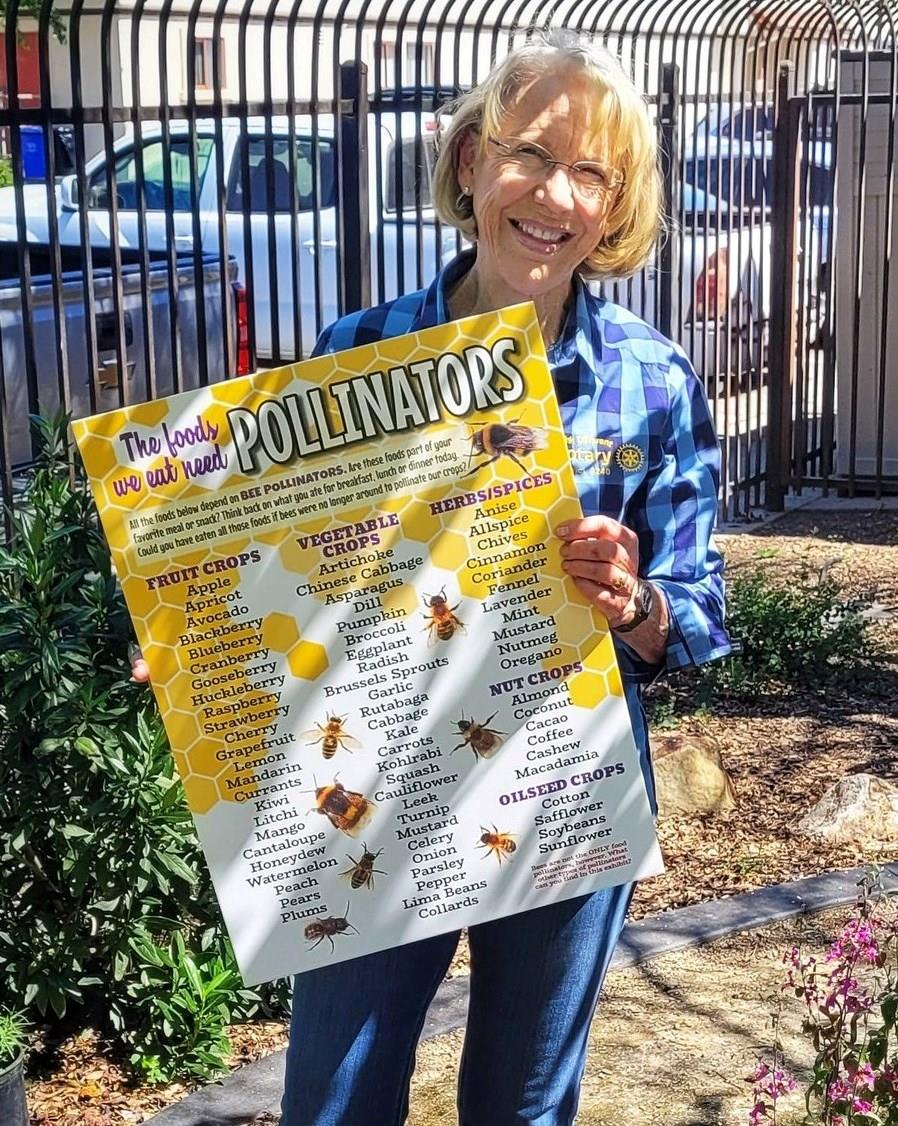
District/Club volunteer days
Cohosted educational events
Rotary lunch meetings or tours at the Museum
Sponsorship of signage, plants, or educational materials
Joint media coverage and community outreach
Areas of Collaboration
Pollinator Garden on Museum Grounds Creation or expansion of a native plant garden
with cobranded interpretive signage, serving as an outdoor classroom for school groups
and families.
Educational Programs & Workshops Public talks, youth activities, native plant
gardening workshops, and seasonal events such as Pollinator Week.
Community Engagement Joint volunteer days, seed distribution events, and
collaborative outreach with Rotary clubs across the region.
Exhibit Enhancements Pollinator themed displays or interactive components tied to local
species and ecosystems.